Essential Guide to Car Repair Services: Finding a Trusted Auto Mechanic Near You
Finding a reliable auto mechanic is essential for vehicle maintenance and safety. Many deal with typical repair difficulties that can result in unplanned costs and dissatisfaction. Understanding the types of services offered and understanding what qualities to seek in a mechanic can significantly affect both efficiency and financial planning. Using the right strategy, you can develop a dependable partnership with a mechanic. Nevertheless, the process of locating that best fit involves several important steps and considerations.
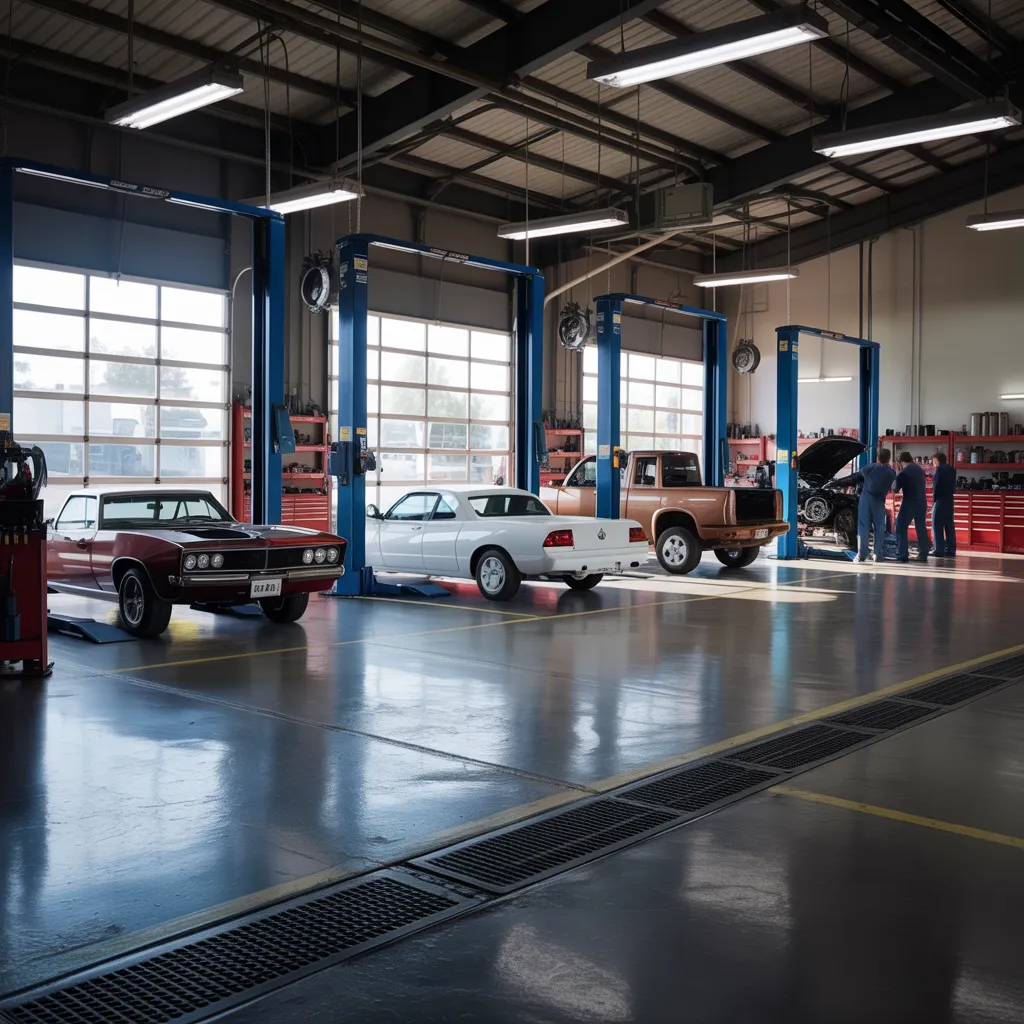
Common Auto Repair Challenges and How to Overcome Them
What obstacles do car owners frequently face when seeking repair services? Many individuals encounter a lack of transparency regarding repair costs and services offered. In many cases, estimates do not account for all underlying issues, causing unanticipated charges. Furthermore, trust is a major issue; vehicle owners may doubt the credentials of mechanics, worrying they could be overcharged or deceived. Appointment availability can also be problematic, as high-demand repair facilities may be unable to fulfill pressing requests. In addition, insufficient awareness of typical vehicle problems can make owners susceptible to unneeded services. In order to navigate these obstacles, conducting proper research is key. Reviewing testimonials and gathering suggestions can aid in finding reliable automotive professionals. Moreover, acquiring various estimates can shed light on competitive and equitable costs. Finally, educating oneself about basic car maintenance can empower owners, enabling them to engage more effectively with service providers and make informed decisions about their vehicle's care.
Kinds of Car Repairs and Choosing the Best Auto Mechanic
Vehicle owners need to manage various types of repairs, every one of which necessitates particular experience and proficiency. Common repairs include brake services, engine diagnostics, electrical system repairs, and transmission work. Engine diagnostic services focus on pinpointing problems using sophisticated equipment, while brake repairs are centered on delivering superior safety and operational performance. Transmission work can be complex, often necessitating specialized skills, and electrical system services resolve issues related to wiring and electronic parts.
When seeking an auto mechanic, it is important to consider the type of service needed. Auto mechanics frequently have areas of specialization, making it important for car owners to pair their car's unique needs with the right mechanic's knowledge. Moreover, familiarity with the car's make and model can improve the overall repair experience. By understanding the types of repairs and selecting the appropriate auto mechanic, car owners can ensure their cars get the proper attention, leading to enhanced reliability and longevity.
What to Seek in a Trustworthy Auto Mechanic
When seeking a reliable auto mechanic, how can one guarantee they are choosing wisely? Key factors to evaluate include customer reviews, certifications, and experience. A reliable mechanic frequently maintains credentials from reputable organizations, demonstrating they have completed thorough training and follow industry guidelines. Furthermore, experience serves a critical function; an experienced mechanic with years of practice tends to have a more comprehensive knowledge of different vehicle types and problems.
Client feedback offer important information into a mechanic's trustworthiness and work quality. Positive feedback and high ratings can suggest a trustworthy professional. Furthermore, transparency in pricing and clear communication are critical qualities. A trustworthy mechanic should give comprehensive quotes and outline repairs in plain language. In addition, a strong guarantee on parts and workmanship can indicate confidence in their work, providing the vehicle owner with confidence and security.
Finding Local Mechanics Through Effective Research
What are the best ways to research local mechanics to ensure a smart decision? First, utilizing online resources is essential. Platforms such as Yelp and Google Reviews offer customer opinions and ratings, shedding light on mechanics' standings. Additionally, social media platforms can help identify local options and highlight community recommendations.
An additional useful approach includes asking friends or family for referrals, as firsthand experiences frequently provide reliable recommendations. Exploring local automotive forums can also prove beneficial, where passionate community members exchange their insights and suggestions.
Once a few potential mechanics are identified, checking for certifications and affiliations with professional organizations, including the Automotive Service Association (ASA), can enhance confidence in their qualifications. Furthermore, stopping by the shops personally allows for evaluating cleanliness, organization, and customer service, which further guides the decision-making process. Performing detailed research helps individuals identify a mechanic who aligns with their needs and expectations.
Critical Questions to Pose to Your Mechanic?
When looking for car repair services, it is essential to pose the right questions to ensure excellent care. Ask about the technician's credentials and expertise, as well as the range of services they offer and their pricing model. These questions can help establish clear expectations and foster trust in the service process.
Expertise and Credentials
Picking the right mechanic can significantly affect a vehicle's performance and longevity. When assessing potential mechanics, it's essential to ask about their background and credentials. Those seeking service should ask how long the mechanic has been in the industry and whether they specialize in specific vehicle types or brands. Moreover, certifications from recognized organizations, such as the National Institute for Automotive Service Excellence (ASE), can demonstrate a mechanic's commitment to professional standards. Looking into ongoing education and training is also beneficial, as it highlights a mechanic's dedication to staying updated with the latest repair techniques and technology. In addition, consulting reviews and referrals can offer important information about a mechanic's skill level and reliability.
Services and Pricing Information
Grasping the variety of available services and their related fees is important for all vehicle owners seeking reliable car repair. Car owners should look into key services such as oil replacements, brake maintenance, tire rotations, and diagnostics. It is necessary to ask for a comprehensive breakdown of costs, including labor and parts. Price transparency can avoid surprise costs and build trust. Moreover, vehicle owners should explore whether the mechanic extends service guarantees, as this can indicate confidence in their work. Comparing prices between nearby mechanics can be useful in establishing competitive pricing. Ultimately, asking these key questions assures that car owners make informed decisions regarding the upkeep and maintenance of their cars.
Indicators of a Reliable Auto Repair Shop
A reliable auto repair shop demonstrates several key characteristics that set it apart from less trustworthy establishments. First and foremost, transparency is fundamental; a trustworthy shop delivers comprehensive, accurate estimates and describes the required repairs without relying on complex technical language. Moreover, customer feedback and referrals play a significant role; encouraging testimonials from previous clients frequently demonstrates a commitment to quality service.
Another key indicator comes from credentialed mechanics. Shops employing ASE-certified mechanics demonstrate a level of skill and professionalism that enhances trust. Moreover, a reputable auto repair shop keeps a tidy and well-structured workspace, reflecting its attention to detail and commitment to quality.
Moreover, a trustworthy shop values customer service, ensuring that individuals feel respected and acknowledged. This encompasses promptly addressing concerns and following up on completed repairs. Combined, these qualities establish an environment where customers can feel assured of the quality of work performed.
Why Routine Maintenance and a Reliable Mechanic Are Important
Regular maintenance is essential for prolonging a vehicle's lifespan and guaranteeing top-level performance. A reliable mechanic not only delivers dependable service but also detects possible problems before they worsen, resulting in more affordable repairs overall. Understanding these factors highlights the significance of adopting a preventive strategy for vehicle upkeep.
Advantages of Preventive Maintenance
Regular preventive maintenance can greatly extend a vehicle's lifespan practical tips and boost its performance. Scheduled inspections and timely maintenance, such as fluid changes and tire rotations, can identify potential problems before they develop into costly repairs. This preventive approach not only cuts expenses but also ensures that the vehicle performs efficiently, boosting fuel efficiency and minimizing emissions. Moreover, following a scheduled maintenance plan can maintain the manufacturer's warranty, offering extra peace of mind. A well-maintained vehicle is also safer, as preventive checks can address critical components like brakes and steering. Overall, consistent maintenance fosters reliability and enhances the driving experience, making it critical for vehicle owners to focus on these services.
Trustworthy Mechanic Importance
Often overlooked, the significance of having a dependable mechanic cannot be understated. A reliable mechanic acts as an essential partner in vehicle ownership, providing not only professional knowledge but also peace of mind. Scheduled servicing performed by a skilled professional helps reduce the risk of sudden repairs and increases the lifespan of your car. Dependable automotive professionals build connections based on transparency and communication, ensuring that drivers are made aware of necessary repairs and maintenance schedules. This cultivates a setting where customers trust the services they receive, steering clear of inferior workmanship. Ultimately, a trusted automotive professional is indispensable, helping to maintain vehicle safety and performance while reducing long-term hassle and expenses.
Economical Repairs Summary
Regular maintenance significantly lowers the cumulative cost of vehicle ownership. Consistent evaluations and minor adjustments can stop serious complications that cause expensive breakdowns. A reliable mechanic not only spots concerns ahead of time but also provides quality service, making certain that work is performed properly on the first attempt. Such a forward-thinking strategy lowers the likelihood of ongoing concerns and improves the durability of your car. Additionally, fostering a steady rapport with a reliable mechanic fosters transparency regarding repair costs and necessary services. Through committing to routine upkeep and choosing a trustworthy technician, car owners can experience a more comfortable journey and likely conserve significant amounts on future repair expenses. Investing in maintenance is ultimately a smart financial decision for every car owner.
Questions Our Customers Often Ask
How Do I Obtain an Estimate Prior to Repairs Starting?
To secure a cost estimate before repair work starts, car owners should request detailed quotes from multiple auto mechanics, making sure they include a detailed breakdown of labor and components. This practice supports sound decision-making and encourages transparency.
What Warranties Do Auto Repair Shops Typically Offer?
Auto repair shops typically offer guarantees on parts and workmanship, which can range from 30 days to multiple years. Coverage varies by shop, so customers should inquire about specific terms and conditions before giving approval for repair work.
Are There Any Signs I Should Watch for Before Visiting a Mechanic?
Prior to seeing a mechanic, you should look out for unusual noises, alert lights, fluid drips, diminished driving performance, or excessive vibrations. These signs indicate possible mechanical issues that call for professional inspection to guarantee vehicle safety and reliability.
How Often Should I Have My Car Serviced?
Most experts recommend servicing a car every 5,000 to 7,500 miles, or a minimum of twice annually. Consistent servicing helps secure top-level performance, enhances safety, and extends the life of the vehicle, making it essential for car owners.
What Forms of Payment Are Accepted at Most Auto Repair Shops?
Many auto repair facilities offer multiple payment alternatives, including cash, credit/debit cards, checks, and financing options. A number of these shops may also offer mobile payment solutions or present flexible payment arrangements to accommodate customers' financial needs and preferences.